Bluegrass News
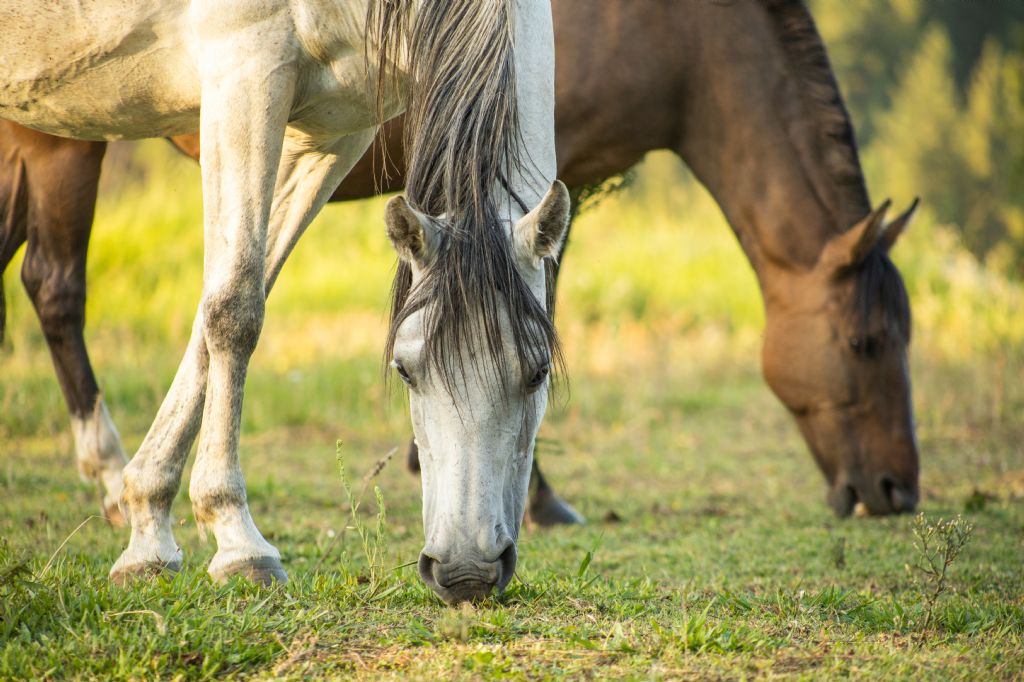
At first glance, lush summer fields seem like the perfect equine diet—but appearances can be deceiving. By late summer, many pastures have lost their spring richness. Hot, dry weather slows grass growth, reduces fibre content, and alters nutrient availability.
If you’re relying solely on pasture to meet your horse’s needs at this time of year, it might be time to reassess.
Late-Summer Grass: What’s Missing?
During dry spells, grass becomes stemmy and sparse. The digestible fibre content drops, and the protein and micronutrient levels can vary. Horses may still spend hours grazing, but their actual intake of key nutrients particularly copper, zinc, selenium, and vitamin E, may fall below requirements.
Mature, late-season grass is often lower in water-soluble carbohydrates, which might sound ideal for laminitic horses, but it can also mean less energy for performance or working horses who need a steady fuel supply.
Why Fibre is Still Key
Fibre is the cornerstone of equine digestive health. Even in summer, horses need at least 1.5–2% of their bodyweight in fibre daily to keep the hindgut functioning properly. When pasture intake drops, topping up with hay, haylage, or soaked fibre feeds becomes essential.
Signs that your horse isn’t getting enough fibre include:
- Weight loss
- Dull coat
- Loose droppings
- Increased irritability or colic risk
Balancing the Bucket Feed
A balancer such as Stamm 30, or a fortified fibre feed, will ensure any shortfalls in nutrients are filled. Look for feeds that supply not just the major minerals: calcium, phosphorus, magnesium but also trace elements like copper and zinc, which are commonly low in UK soils and sun-scorched pastures.
Feeds that combine digestible fibre sources such as beet pulp or alfalfa with a full vitamin and mineral profile offer a practical, low-starch way to support condition without relying on cereal-based energy.
Turmash is ideal for late-summer support. It delivers consistent fibre, prebiotic gut support, and a full spectrum of nutrients. It’s a great option for horses that are turned out but still need that extra nutritional top-up in their bucket feed.
Feeding for the Full Year
It’s a common misconception that balancers or fortified feeds are only needed in winter. In reality, year-round feeding with a balancer or fortified fibre feed is essential to ensure your horse receives consistent levels of vitamins, minerals, and high-quality fibre especially when pasture quality drops or becomes unpredictable. This helps maintain overall health, condition, and performance no matter the season.
Tips for Late-Summer Feeding
- Monitor grass cover and growth—don’t assume “green” equals nutritious
- Weigh hay or fibre feeds to ensure fibre intake meets requirements
- Use a balancer or fortified fibre feed to round out the diet
- Keep an eye on body condition, coat quality, and energy levels as signs your horse may need dietary adjustment
Supporting your horse with the right fibre and balanced nutrition will help them thrive year-round—not just in spring.
For personalised feeding plans or to have your horse’s diet assessed, contact the Bluegrass team.